Botox Before & Afters
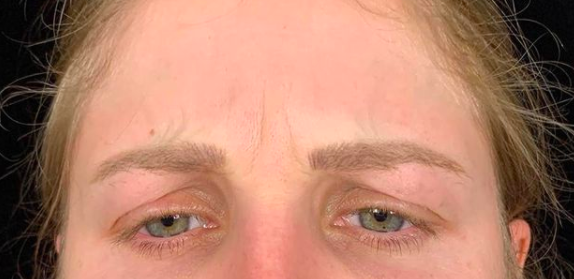 Before
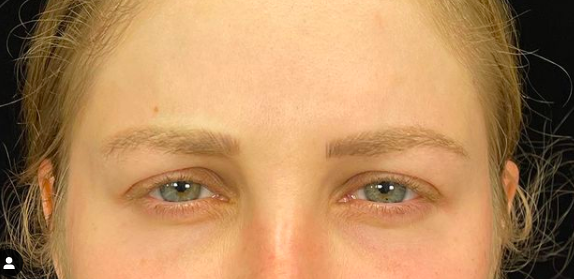 After
After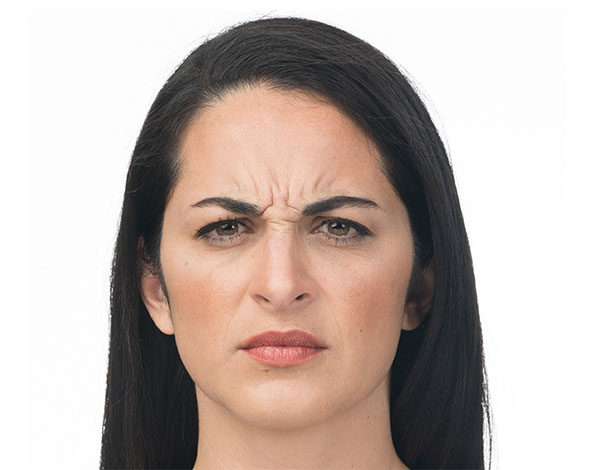 Before
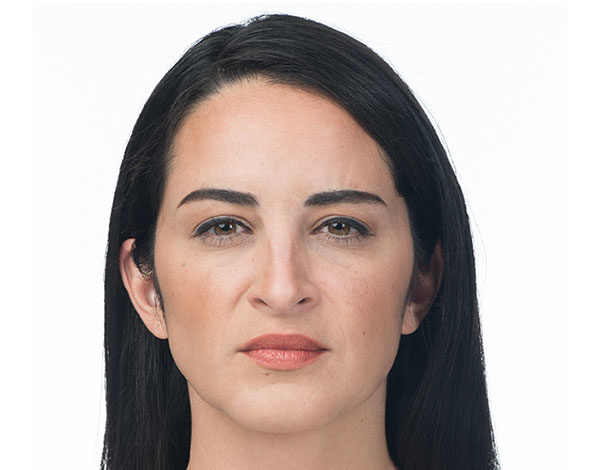 After
After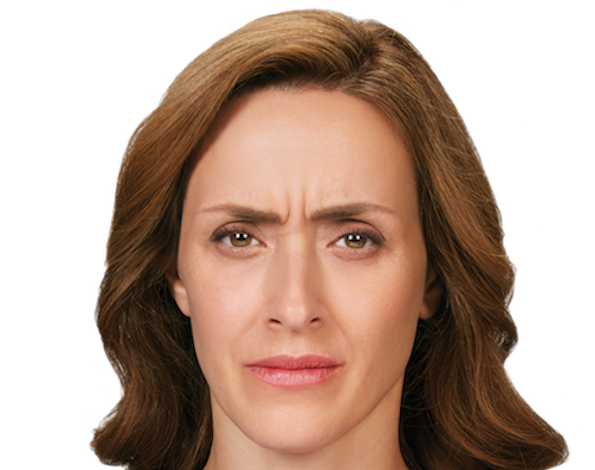 Before
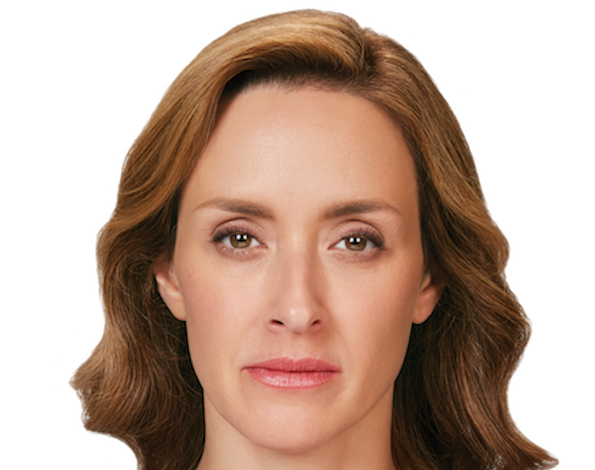 After
After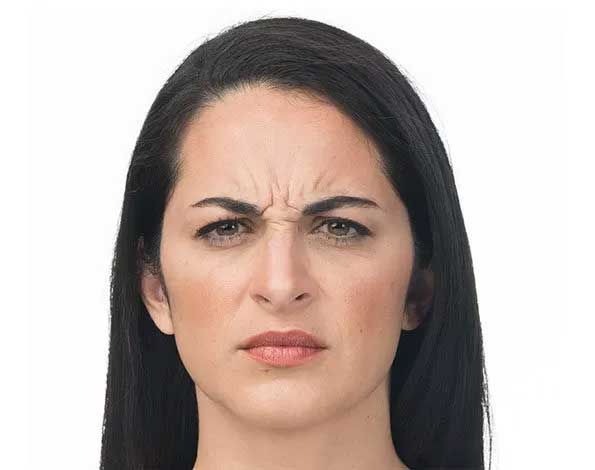 Before
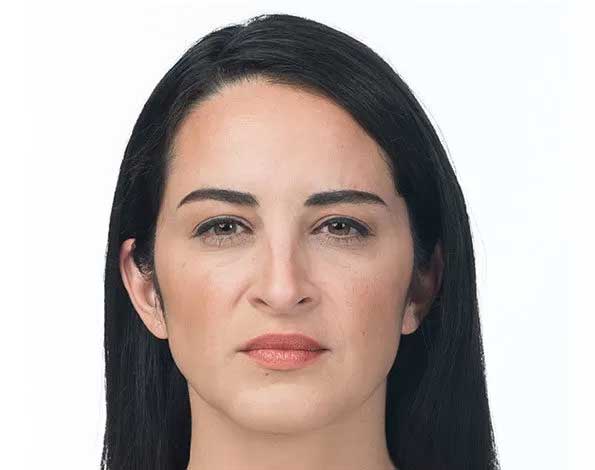 After
After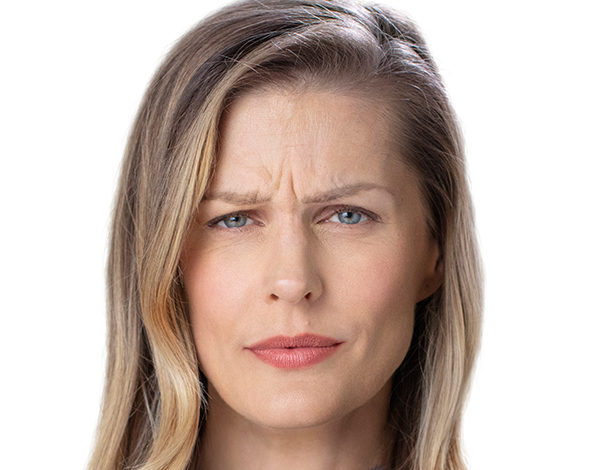 Before
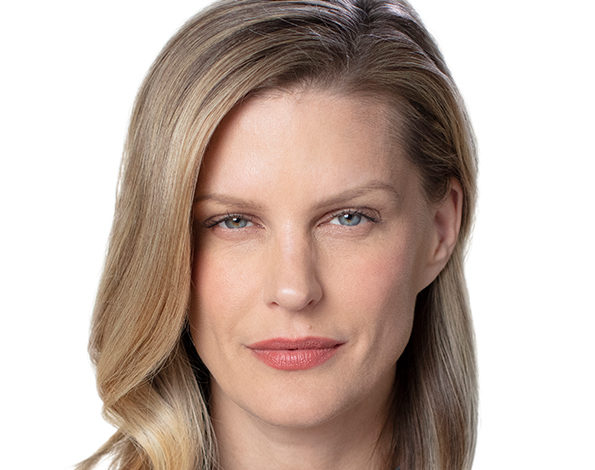 After
After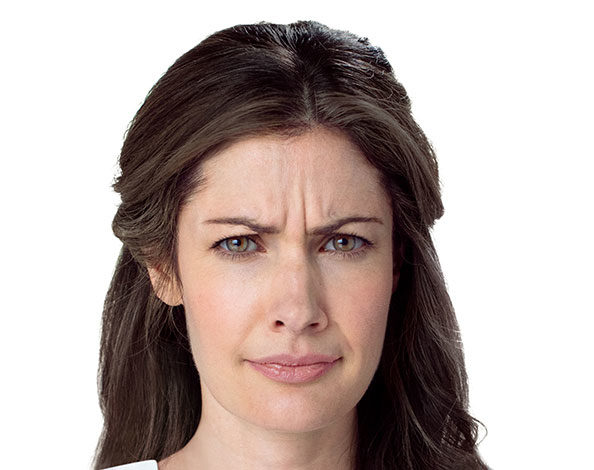 Before
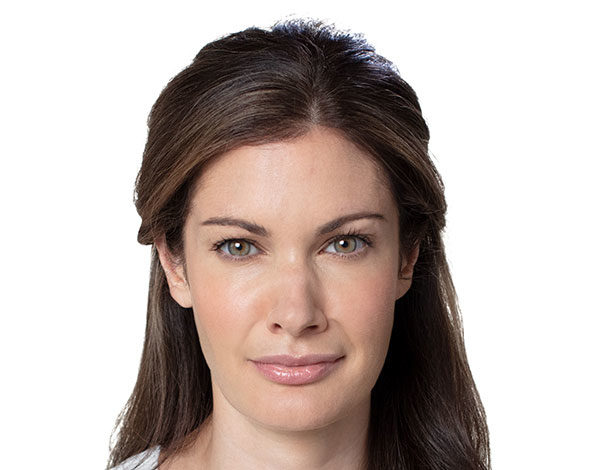 After
After Swipe To Next
Expression, Just Softer
Expression lines don't come from age alone. Every squint, raised brow, laugh, and concentrated frown asks the same facial muscles to contract again and again. Over time, those folds can linger even after your face relaxes.
BOTOX® Cosmetic temporarily reduces activity in carefully selected muscles, softening lines while preserving the expressions that still feel like you. At EllEve Med Spa in Woodland Hills, patients from Calabasas receive individualized treatment based on facial movement, anatomy, and how much change they actually want to see.
For patients interested in addressing volume or facial proportions at the same visit, EllEve also offers full-face treatment planning with dermal fillers. You can also visit our Blog for a closer look at treatments available at EllEve.
Swipe To Next
A Closer Look at Botox
At our medspa near Calabasas Botox is a prescription neuromodulator made with onabotulinumtoxinA. Once injected into specific muscles, it temporarily reduces the nerve signals that tell those muscles to contract. Less repetitive movement means the skin above the muscle doesn't crease as strongly.
That makes Botox especially useful for forehead lines, frown lines between the brows, crow's feet, and visible platysma bands in the neck. Experienced injectors may also use Botox in other areas based on a patient's anatomy and goals, including bunny lines, the chin, the upper lip, and the masseter muscles.
A small amount placed around the upper lip can create a subtle lip flip by allowing more of the lip to show when you smile. It can be an option for someone who isn't ready for Lip Filler or wants to address a gummy smile without adding volume.
Botox may also be injected into the masseter muscles at the sides of the jaw. Relaxing strong masseters can create a slimmer lower-face appearance in appropriately selected patients. Some clinicians also use botulinum toxin off-label for symptoms related to clenching or grinding, although this is different from an FDA-approved treatment for TMJ disorders.
Know Your Neurotoxin
Botox, Dysport, and Xeomin belong to the same general category of injectable neuromodulators. All temporarily reduce targeted muscle activity, but they aren't interchangeable products. Their formulations, dosing units, and approved indications differ.
Botox has been used cosmetically in the United States for more than two decades. Dysport contains abobotulinumtoxinA, while Xeomin contains incobotulinumtoxinA and is formulated without certain accessory proteins.
One isn't automatically better than another. Your movement pattern, treatment area, previous experience with neurotoxins, and desired degree of muscle relaxation all matter. At EllEve, the choice is made during consultation rather than defaulting every face to the same injectable.
Where Expression Leaves Its Mark
If considering Botox Calabasas patients find the most useful question isn't simply where they have wrinkles. It's what is causing them.
Botox works particularly well for dynamic lines, meaning creases created or deepened by repetitive facial movement.
Treat the Muscle, Keep the Expression
Botox can be used across several areas of the face and neck. Placement matters more than simply adding units.
A Little Prep Goes Far
At our clinic near Calabasas Botox doesn't require an elaborate pre-treatment routine, but a few practical steps may help reduce bruising and keep the appointment straightforward.
What are the benefits of Botox?
Botox and other neurotoxins such as Xeomin and Dysport temporarily reduce targeted muscle activity. This can soften existing dynamic lines and reduce the repetitive folding that makes certain expression lines become more noticeable over time.
There isn't a universal age when someone “should” start Botox. Some adults begin treatment when expression lines first start lingering at rest. Others wait until those lines become more established. What matters is your anatomy, muscle activity, goals, medical history, and comfort with ongoing maintenance.
Botox also allows for a highly adjustable treatment plan. Some patients want significant softening. Others want enough movement reduction to take the edge off a forehead crease while keeping plenty of expression.
At our Woodland Hills med spa, conservative doesn't have to mean ineffective. It means intentional.
Your Face Sets the Plan
Two patients can point to the same forehead line and need very different treatment.
During your Botox consultation, your EllEve aesthetic specialist evaluates how your brows lift, where your forehead folds, how strongly you frown and squint, existing facial asymmetries, and the position of surrounding features. These details influence where Botox is placed and how much product may be appropriate.
Calabasas patients also have access to Botox alternatives when another neurotoxin makes more sense. Your provider can compare the available options and explain why one may suit your anatomy, prior treatment history, or preferences better than another.
This is also the time to talk about what you don't want. If keeping eyebrow movement matters to you, say so. If your biggest concern is looking frozen, that belongs in the treatment conversation before the first injection.
Precision in Practice
Once your treatment plan is established, your aesthetic specialist uses a fine needle to place small amounts of Botox into specific muscles.
The appointment is typically brief. Placement and dosage are mapped according to the treatment area, strength of the underlying muscles, facial proportions, and the amount of movement you want to preserve.
The goal isn't to erase every sign that your face moves. Good Botox should soften the movements creating unwanted lines while allowing your features to remain recognizable and expressive.
Give It a Few Days
Botox doesn't change your expression the moment you leave EllEve.
Most patients begin noticing a reduction in muscle movement within several days. Changes often become easier to appreciate around days three to five, with results continuing to settle after that. The exact timeline varies by treatment area and individual response.
You may have tiny areas of redness, swelling, or tenderness at injection points immediately after treatment. These reactions are usually brief.
There is little to no traditional downtime, so most patients can return to the rest of their day after their appointment. Follow the specific post-treatment instructions provided by your EllEve specialist, including guidance about touching the area, makeup, exercise, and sleeping position.
Back to Your Day
Recovery after Botox is usually minimal. You won't need to disappear for a week or adjust your plans around swelling that changes your appearance dramatically.
A few precautions can help keep those first hours uncomplicated:
Your aftercare instructions may vary according to where you were treated, so the directions you receive at EllEve should take priority over generic Botox advice online.
Keep It Simple
Botox aftercare doesn't need to become another skincare routine. The main goal is to avoid unnecessary irritation while the injection sites settle.
Treatments That Fit Together
Botox addresses muscle-driven lines. It doesn't restore lost facial volume or correct every change in skin texture, which is why some patients benefit from combining treatments thoughtfully.
Dermal fillers can address volume loss, contour, or deeper static folds while Botox manages excessive muscle movement. Chemical peels or laser treatments may be considered when pigment, texture, or overall skin quality is part of the concern.
The treatments don't have to happen all at once. EllEve can build them into a longer-term plan based on what will make a visible difference and what can wait.
Yes. BOTOX Cosmetic is FDA-approved for the temporary improvement of moderate to severe platysma bands in adults. The platysma is a thin muscle extending across the neck and lower face, and prominent contractions can create visible vertical bands and affect the appearance of the jaw-to-neck transition.
Treatment is sometimes associated with the “Nefertiti” approach to the lower face and neck. Rather than tightening loose skin itself, Botox reduces targeted platysma activity so visible bands can appear softer and the lower-face contour may look cleaner.
Botox is FDA-approved to treat severe primary axillary hyperhidrosis, or excessive underarm sweating, when topical treatments haven't provided adequate control. It works by temporarily interrupting the nerve signals that activate sweat glands in the treated area.
Botulinum toxin is also sometimes used off-label for excessive sweating of areas such as the palms, but those uses have different considerations and aren't part of the FDA-approved hyperhidrosis indication. Your provider should first determine whether treatment is appropriate and whether another medical cause of excessive sweating needs attention.
Botox isn't gender-specific. Men commonly seek treatment for forehead lines, frown lines, crow's feet, jaw concerns, and other areas where repeated muscle movement becomes noticeable.
The treatment plan can be adjusted according to facial structure and the look you want to maintain. For some men, that means preserving a stronger brow position or more visible movement rather than applying the same injection pattern commonly used on another patient. Anatomy comes first.
Your best resultsBegin Here
Your friendly and experienced aesthetic specialist at EllEve is here to help you find the most advanced and precise solutions, so you can live with optimal confidence. Contact us today to book your consultation and learn more about the services we offer.
Tue - Fri: 10AM – 6PM
Sat: 10AM – 4PM
